
How to Design Die Cutting Dies: Steel Rule, Rotary and Clicker
Table of Contents
A steel rule die that cuts 40,000 gasket blanks cleanly can still fail at 90,000, when the 18 mm ply board compresses 0.3 mm under the rule and the last parts in the sheet begin to hang in the web. Die cutting buys a short lead time and a low tool price: a flatbed rule die lands at 200 to 3,000 USD and ships in 2 to 7 days, while a progressive blanking die runs 5,000 to 60,000 USD and 4 to 10 weeks. The tool itself is mostly plywood, ejection rubber and a bent strip of hardened steel, so rule height, kerf fit, bevel direction and rubber durometer decide whether it holds 50,000 cuts or 2,000,000. This guide sets out the numbers behind steel rule dies, rotary engraved cylinders and clicker dies, then marks the volume point where a progressive die takes over.
Each number below is a typical industry value for the die board, the rule and the press, and it needs checking against the material spec and the machine before a drawing is released.
The Snapshot
- Tool cost of 200 to 3,000 USD with a 2 to 7 day lead. A flatbed rule die for a 1,200 mm gasket perimeter lands in that band, against 5,000 to 60,000 USD and 4 to 10 weeks for a progressive blanking die.
- Cutting force of 2 to 8 kN/m on paper and 25 to 60 kN/m on dense rubber. A 1,200 mm perimeter gasket in 1.5 mm stock needs 3 to 8 t of press capacity once the stripper and the hold-down pad are counted.
- Rule wear of 1.5 to 3 mm before replacement. A ply-board die holds 50,000 to 200,000 cuts, an aluminium plate die 500,000 to 2,000,000, and a rotary engraved steel cylinder 1 to 10 million impressions.
- Kerf fit of 0.05 to 0.10 mm and rule deflection of 0.1 to 0.5 mm per 100 mm. The slot runs wider than the rule so the rule seats on its flanks, and an unsupported span past 100 mm bends the rule at full cut depth.
What Die Cutting Actually Is
Die cutting shears a flat material with a formed rule instead of a closed punch and die pair. A strip of hardened, beveled rule is bent to the part outline, seated in laser-cut slots in a die board, and driven through the stock by a flatbed or rotary press. The route follows the material: paperboard, film, foam and gasket sheet cut on a flatbed, labels and tapes run on a rotary cylinder, and leather, felt and thick rubber go under a clicker beam press.
The rule is a standard strip rather than a custom forging. Thickness runs 0.71 mm, 0.937 mm or 1.07 mm, which the trade calls 2 point, 2.5 point and 3 point rule. Heights land at 23.8 mm, 25.4 mm or 30 to 50 mm for thick gasket stock, and only the top 2 to 3 mm of the strip carries the bevel and the hardened tip. The body stays soft enough to bend to a 1.5 to 3 mm minimum radius without cracking the edge.

Bent rule and machined cavity are the two families in the trade. A rule die costs 200 to 3,000 USD because it is folded, inserted and rubbered by hand in 2 to 7 days. A clicker die is a machined cavity that cuts in one stroke through hide or 3 mm felt. The closed punch and die that replaces both at high volume works on the same shear principle, and its clearance numbers sit in the blanking die design guide.
The Three Tooling Routes: Rule, Rotary, Clicker
A flatbed steel rule die runs on a hydraulic beam press or a clicker press at 20 to 100 t of clamp force. Sheets up to 1,000 x 1,500 mm are cut one layer at a time, with a 0.5 to 2 second dwell at the bottom of the stroke and 8 to 20 strokes per minute on a large die. A 60 mm gasket die nested 12 up lands at 5,000 to 14,000 pieces per hour on soft stock, and the sheet size sets that number, not the press.
A rotary die cuts on a moving web with an engraved or magnetic cylinder. Cylinder circumference runs 200 to 1,500 mm, the web moves at 50 to 300 m/min, and the tool holds registration to 0.1 to 0.3 mm across 100,000 to 10,000,000 impressions. Labels, tapes, laminates, medical films and 0.05 to 0.5 mm foils are rotary work because the web never stops for a stroke.
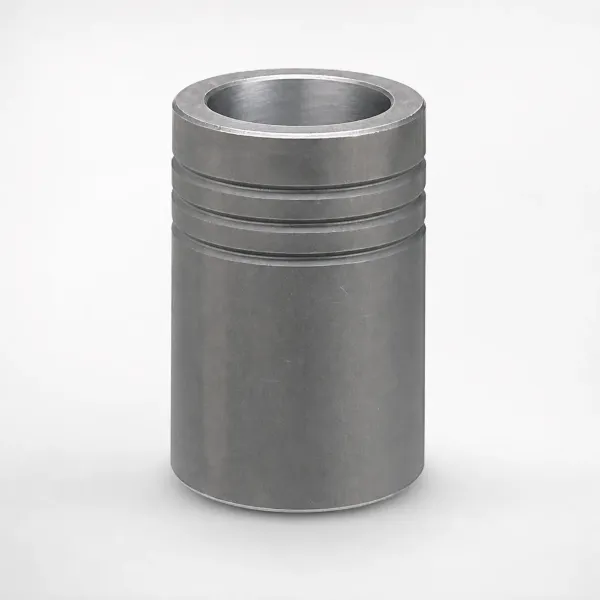
A clicker die is a machined cavity rather than a bent rule. A forged or hardened steel cavity at 150 to 1,500 USD is pressed through a hide, a felt pad or a 3 mm rubber sheet at 20 to 100 t, and the beam operator swings the material under the head between strokes. Held tolerance lands at plus or minus 0.3 to 1 mm, which is enough for footwear, saddlery, gasket and packaging liner work.
| Route | Cutting edge | Tool cost | Held tolerance | Volume window | Typical materials |
|---|---|---|---|---|---|
| Flatbed steel rule die | 0.71 to 1.07 mm bent rule in ply or plate | 200 to 3,000 USD | plus or minus 0.15 to 0.5 mm | 500 to 200,000 cuts | board 0.3 to 1.2 mm, gasket 1 to 6 mm, foam |
| Rotary engraved cylinder | engraved or magnetic cylinder, 200 to 1,500 mm | 2,000 to 25,000 USD | plus or minus 0.1 to 0.3 mm | 100,000 to 10,000,000 impressions | label, tape, 0.05 to 0.5 mm film |
| Clicker cavity die | machined steel cavity, one stroke | 150 to 1,500 USD | plus or minus 0.3 to 1 mm | 5,000 to 100,000 strokes | leather 0.8 to 3 mm, felt, 3 mm rubber |
| Digital or ultrasonic knife | 1 to 3 kW knife, no hard tool | 0 to 500 USD setup | plus or minus 0.2 to 0.5 mm | 1 to 1,000 parts | prepreg ply, 0.1 to 12 mm foam |
← swipe to scroll →
Table note: tool costs, tolerances and volume windows are typical values for the four die cutting routes. Confirm the press rating and the material thickness against the machine datasheet before a die is ordered.
Press Family and Force Math
Tonnage on a die cutter is a sum, not a guess. The press has to deliver the cutting force of every rule edge in the die, plus the stripper load that lifts the sheet off the rule, plus the hold-down pad that keeps the material flat. Add a 20 to 30 percent margin so the press runs at 60 to 80 percent of its rating on every stroke.
Cutting force per metre of rule edge is a material property. Paper, board and label stock cut at 2 to 8 kN/m with a sharp 2 or 3 point rule. Dense rubber, 3 mm felt and full-grain leather run 25 to 60 kN/m, and aramid or glass-filled sheet reaches the top of that band because the fibers resist shearing instead of parting.
Work the numbers on a gasket. A 1,200 mm perimeter die in 1.5 mm dense rubber at 40 kN/m needs 48 kN, or 4.9 t of cutting force. A stripper at 10 to 15 percent of cut load adds 0.5 to 0.7 t, and a hold-down pad adds up to 2 t, so the die wants 7 to 8 t of press capacity. That is why the same 1,200 mm perimeter lands at 3 to 8 t depending on the stock.
Steel Rule and Die Board Construction
Rule geometry decides the cut, so the bevel belongs on the drawing. A center bevel shears the material on both flanks and leaves the burr on the side the operator chooses. A side bevel angles the edge one way to push scrap clear of the part on tight nests. Bevel height runs 2 to 3 mm, ground after bending so the edge stays square to the board.

The die board sets the register. A 0.71 mm rule needs a 0.76 to 0.81 mm slot, so the kerf runs 0.05 to 0.10 mm wider than the rule and the rule seats on its flanks instead of splitting the ply. Laser cutting holds slot position to plus or minus 0.05 mm across a 1,000 mm board, which is 3 times tighter than the plus or minus 0.15 mm the die usually holds on the part.
Rule height and board thickness fix how much edge stands proud. A 25.4 mm rule in an 18 mm board leaves 7.4 mm of strip above the board face, and the exposed height must clear the material thickness plus the compression of the ejection rubber. Deep gasket stock at 6 mm takes a 30 to 50 mm rule so the shoulder of the strip carries the load instead of the tip.
Rule Selection by Material
Match the rule to the stock and the cut lands clean. Edge height runs 2 to 3 times the material thickness, so a 0.5 mm film takes a 1.0 to 1.5 mm edge and a 3 mm foam takes a 6 to 9 mm edge. An edge shorter than that crushes the material instead of shearing it, which shows up as a rolled edge and a part that hangs in the web.
Abrasion picks the hardening, and the material picks the coating. Standard hardened rule at HRC 52 to 56 handles paper, foam and rubber. Aramid, glass-filled sheet and recycled board need through-hardened rule or a hardened insert at the wear corner. A nickel or PTFE coating on the bevel keeps adhesive stock from building on the flank, which otherwise lifts the sheet on the return stroke.
Ask how many cuts the tool must survive before choosing the rule. A 0.71 mm rule in a 15 mm ply board suits 50,000 to 200,000 cuts on paper. The same die cutting 3 mm filled rubber wears the tip back to a 1.5 mm flat in 30,000 cuts, so a re-knife or a move to aluminium plate pays above 500,000 cuts. The stamping side of the same wear argument sits in the stamping die steel guide.
| Material | Thickness band | Rule and bevel | Cutting force | Number to watch |
|---|---|---|---|---|
| Paperboard and kraft | 0.3 to 1.2 mm | 0.71 mm single edge | 2 to 6 kN/m | Crease rule 0.7 mm with a 0.5 to 0.8 mm channel |
| Label and film | 0.05 to 0.3 mm | 0.71 mm double edge | 2 to 4 kN/m | Register plus or minus 0.2 to 0.5 mm |
| Dense rubber gasket | 1 to 6 mm | 1.07 mm single edge, 3 mm bevel | 25 to 60 kN/m | Ejection rubber 40 to 60 A level with the rule |
| EVA or PU foam | 2 to 20 mm | 1.07 mm long bevel or serrated | 8 to 25 kN/m | Edge 2 to 3 times the foam thickness |
| Leather and hide | 0.8 to 3 mm | 1.07 mm clicker cavity | 20 to 45 kN/m | 0.3 to 1 mm held tolerance, 30 to 50 A rubber |
| Carbon fiber prepreg ply | 0.1 to 0.3 mm | 1 to 3 kW ultrasonic knife | 0 to 2 kN/m | Ply accuracy plus or minus 0.2 to 0.5 mm |
← swipe to scroll →
Table note: rule, bevel and force values are typical industry bands for each material family. Confirm the thickness band and the cutting force with a trial cut on production stock before the rule is ordered.
Register, Nesting and Ejection
A rule die flexes under load, and that flex is the first thing to budget. Unsupported rule deflects 0.1 to 0.5 mm per 100 mm of free span at full cut depth, so a 400 mm rule with no bridge can bow 0.4 to 2 mm at the centre. Support every free span past 100 mm with a bridge or a support rule, and keep the bridge 1 to 2 mm wide so it holds the island without notching the part.
Ejection rubber does half the work on a fast press. Rubber at 30 to 60 A on the punch faces pushes the sheet off the rule, and 40 to 50 A is the working range for a clicker die cutting hide. Set the rubber level with the rule edge or 0.5 to 1 mm below it. Rubber that stands proud of the rule lifts the sheet before the stroke closes and leaves an uncut edge.
Register decides whether the cut sits on the print. Print-to-cut register holds plus or minus 0.2 to 0.5 mm on a label press, carried by a 3 x 8 mm register mark read at 50 to 300 m/min. Film under 0.1 mm is held flat by a magnetic sheet or a vacuum bed, because static alone will not keep a 0.05 mm liner against a die board at 20 strokes per minute.
Nesting sets material utilisation, and it is worth 10 to 20 percent of the sheet. A well-nested gasket die reaches 60 to 85 percent utilisation with a 2 to 5 mm gap between parts and a 3 to 6 mm margin to the sheet edge. Rotating alternate parts 90 to 180 degrees lifts the count on curved outlines, and the swing radius at each bend stays at twice the rule thickness so the bend does not crack the tip.
Die Life and Wear Economics
Every route has a published life band, and a quote that ignores it hides the real cost of the part. A ply-board rule die holds 50,000 to 200,000 cuts, an aluminium plate die 500,000 to 2,000,000, and a rotary engraved steel cylinder 1 to 10 million impressions with a re-chrome in between. A clicker cavity runs 5,000 to 100,000 strokes before the edge needs attention.
Replacement is cheaper than a new tool, and it has numbers. Re-knifing a ply-board die runs 30 to 50 percent of the original price and brings back the full cut. Rule is replaced once the bevel wears 1.5 to 3 mm back from the edge. A rotary cylinder is reground 0.2 mm per pass, 3 to 5 passes across its life, with a fresh 5 to 10 µm hard chrome after each pass.
The machine hour is the other half of the ledger. A clicker press bills at 25 to 60 USD per hour, and a stamping press with a coil line, a feeder and die protection bills at 40 to 90 USD per hour. At 12 nests per stroke and a 2 second cycle, the clicker route produces a cut part for a fraction of the stamping hour, which is why the break-even sits at volume rather than at precision.
Quality Failure Modes
Defects in die cutting track a few causes: bevel direction, rule tip wear and the condition of the stock. Each one leaves a different number on the part, and each one is fixed in the tool rather than at the press.
Bevel direction decides which side carries the burr and the dust. A center bevel leaves a small burr on the scrap side of thin stock, so printed or coated faces are placed against the bevel they can tolerate. On coated labels a wrong-facing bevel lifts the coating and leaves a 0.1 to 0.3 mm dust line along the cut, which a 20x loupe finds and a customer rejects.
Burr and edge targets come from the material. Medical film dies hold a burr-free edge at 0.05 mm and cut with 0.05 mm clearance on a film under 0.1 mm thick. A gasket die holds a 0.15 to 0.3 mm edge. Inspect the first article at 20x to 30x on all four sides, then check 1 part per 1,000, because rule wear shows on the edge long before it shows on the dimension.
When Die Cutting Beats a Progressive Die
The decision is volume against tool cost, and the gap between the two routes is wide. A rule die at 200 to 3,000 USD with a 2 to 7 day lead covers 500 to 100,000 pieces. A progressive blanking die at 5,000 to 60,000 USD with a 4 to 10 week lead needs 250,000 pieces a year or more to pay back.
Run the two against a 50,000 piece a year part. A 900 USD rule die adds 0.018 USD per part in the first year. A 25,000 USD progressive die adds 0.50 USD per part in year one and 0.008 USD per part once it is amortised over 3 years, before the coil line, the feeder and die maintenance are counted. Below 100,000 pieces a year the rule die usually keeps the part.
The material window is the second argument. Die cutting handles 0.05 to 8 mm of gasket sheet, foam, felt, cork, leather, blister card, insulation and carbon fiber prepreg in one tool. A progressive die wants 0.2 to 3 mm steel strip of consistent temper, and it shears rather than slices soft, compressible stock. The cost lines behind a metal tool are set out in the stamping die budget guide.
| Annual volume | Route to pick | Tool cost | Lead time | Why it wins |
|---|---|---|---|---|
| 1 to 1,000 parts | Digital or knife cutting | 0 to 500 USD setup | Same day to 2 days | No hard tool, so a design change costs nothing |
| 1,000 to 100,000 parts | Steel rule die on a beam press | 200 to 3,000 USD | 2 to 7 days | 8 to 20 strokes per minute at 60 to 85 percent nesting |
| 100,000 to 2,000,000 | Aluminium plate die or rotary cylinder | 2,000 to 25,000 USD | 3 to 6 weeks | Plate holds 500,000 to 2,000,000 cuts before a re-knife |
| 250,000 a year and up on 0.2 to 3 mm strip | Progressive or fine blanking die | 5,000 to 60,000 USD | 4 to 10 weeks | 200 to 600 strokes per minute with a sheared edge |
← swipe to scroll →
Table note: volume bands and tool prices are typical industry ranges and move with part size, station count and material. Confirm the annual volume and the strip width with the tool shop before the route is fixed.
Die Cutting Design Checklist
Run this list against the tool drawing before a die is released. Each line carries the number a reviewer should read off the drawing rather than off the press.
- Route and volume. State the annual volume, the material and the thickness band, then pick the route from the break-even table before any drawing is released.
- Rule spec. Thickness 0.71, 0.937 or 1.07 mm, height 23.8 to 25.4 mm, bevel 2 to 3 mm, and a hardened tip at HRC 52 to 56 or through-hardened rule for abrasive stock.
- Kerf fit 0.05 to 0.10 mm. Slot wider than the rule, slot position held to plus or minus 0.05 mm across a 1,000 mm board, and a re-knife allowance written into the layout.
- Board material and thickness. 12 to 19 mm birch ply at 8 to 12 percent moisture below 500,000 cuts, and 12 to 16 mm aluminium plate above it.
- Force budget. Rule edge length in metres times cutting force per metre, plus 10 to 15 percent stripper load, plus the hold-down pad, plus a 20 to 30 percent press margin.
- Support and relief. A bridge every free span past 100 mm, hole-saw relief of 8 to 12 mm at corners under a 1.5 mm radius, and a minimum bend radius of 1.5 to 3 mm.
- Ejection rubber and nest. Rubber at 30 to 60 A level with the rule edge, 2 to 5 mm gaps between parts and a 3 to 6 mm sheet margin for 60 to 85 percent utilisation.
- Acceptance evidence. A first article checked at 20x to 30x for a burr under 0.05 mm on film or 0.15 to 0.3 mm on gasket, plus a register check at plus or minus 0.2 to 0.5 mm.
The checklist doubles as the tool file. A rule die that carries its rule spec, its kerf fit, its force budget and its rubber durometer in one package cuts the ten-thousandth sheet the same way it cut the first.
The Bottom Line
Die cutting design runs on five numbers: rule thickness and height, kerf fit at 0.05 to 0.10 mm, cutting force at 2 to 8 kN/m on paper against 25 to 60 kN/m on dense rubber, a 3 to 8 t press requirement on a 1,200 mm perimeter, and a life band of 50,000 to 200,000 cuts on ply against 500,000 to 2,000,000 on aluminium plate.
The route decides the rest. A rule die at 200 to 3,000 USD on a 2 to 7 day lead covers 500 to 100,000 pieces of gasket, foam, film or board. A rotary engraved cylinder at 1 to 10 million impressions owns label and film web work. A clicker cavity at 150 to 1,500 USD cuts hide and 3 mm rubber to plus or minus 0.3 to 1 mm. Above 250,000 pieces a year on 0.2 to 3 mm strip, a progressive or fine blanking die takes the part.
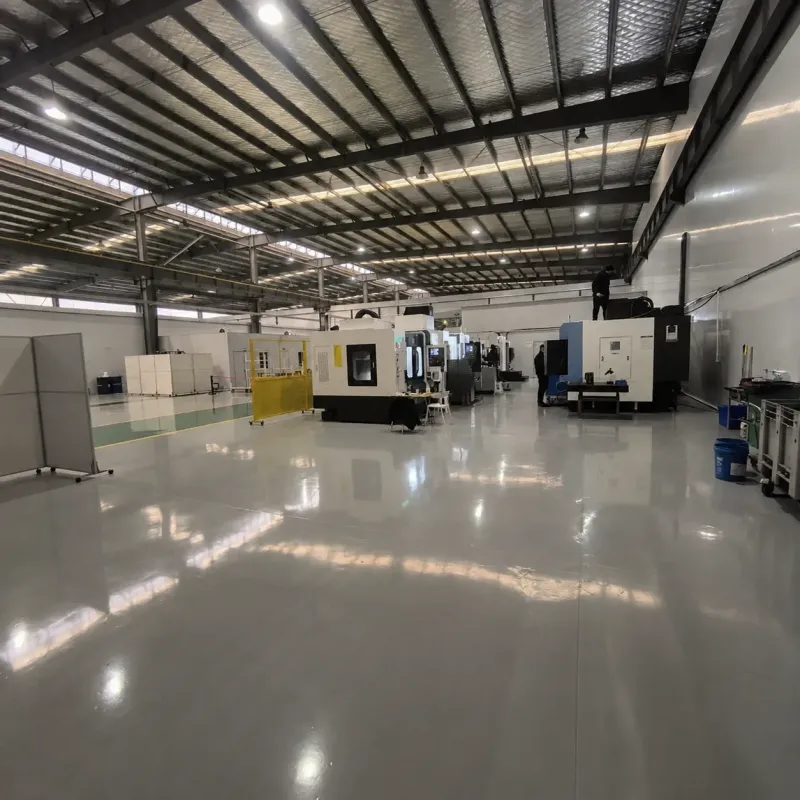
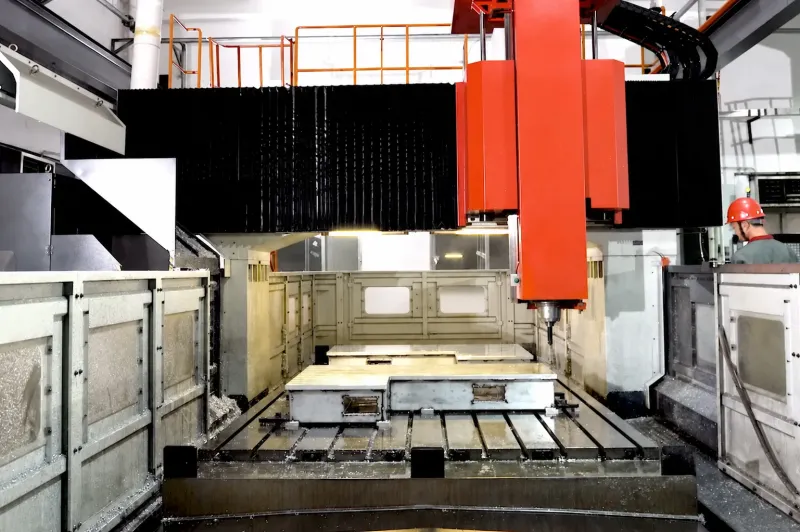
DieStrike builds precision tooling and stamping dies under an IATF 16949 quality system, with plus or minus 0.005 mm mold accuracy, plus or minus 0.002 mm on EDM and jig grinding, HRC 62 maximum, 120+ machines and DFM feedback on every part print. Standard components ship in 3 to 7 days, tool lead times run 2 to 5 weeks, and tier-1 references include TE, Amphenol, Luxshare and Dongshan.
Route the part print, the material, the thickness and the annual volume through stamping die manufacturing, and the tool starts from the force budget instead of a guess.
KEEP READING
Related Reading
How to Design Blanking Dies: Clearance, Strippers and Scrap
Clearance by material, punch shear, stripper preload and the burr budget inside a production blanking die.
Read articleArticleFine Blanking vs Conventional Stamping
Where a sheared edge beats a cut edge, and the tooling cost behind a 0.02 mm sheared face.
Read articleArticleHow to Budget a Stamping Die
Station count, materials and lead time as separate cost lines inside a die quotation.
Read articleServiceStamping Die Manufacturing
IATF 16949 die building with clearance and tonnage planning, HRC 62 max edges and 2 to 5 week lead times.
Read articleNEXT STEP
Ready to Start Your Mold?
Send us your element dimensions or part numbers — our team responds within 24 hours. Pricing and lead time come with the answer.

Written by
Ray ChanExport Brand Manager at DieStrike. Ray helps global importers, distributors and OEMs source factory-direct molds and mold parts.